

Estate Planning Checklist for UK Families
Personal Finance, Estate Planning, UK Families
Estate Planning Checklist: 10 Things Every UK Family Should Consider
Thoughtful estate planning is one of the most practical ways to protect your family, reduce stress during difficult times and ensure your wishes are respected. Whether you are just starting a family or approaching retirement, putting key documents and decisions in place now can make a significant difference later. This checklist outlines ten essential areas every UK family should consider when planning their estate.
1. Start with a Clear Estate Planning Overview
Estate planning is more than simply writing a Will. It is a structured process of deciding how your assets will be managed if you lose capacity and how they will be distributed after your death. A comprehensive plan typically covers your property, savings, investments, pension, life insurance, digital assets and personal possessions. It also addresses who will make decisions for you, who will care for your children and how you would like your loved ones to be supported in the long term.
Begin by listing your main assets and liabilities, noting where each account or policy is held. This simple exercise provides clarity, helps you identify gaps in protection and makes later steps—such as drafting a Will or setting up LPAs—far more straightforward. It also ensures your family are not left searching for missing accounts or paperwork at an already emotional time.
2. Put a Legally Valid Will in Place
A Will is the cornerstone of any estate planning strategy. In the UK, if you die without a valid Will, the intestacy rules decide who receives your estate. These rules may not reflect your wishes, particularly if you have a blended family, are unmarried but in a long-term relationship, or wish to support friends or charities. A professionally drafted Will allows you to specify who should inherit, appoint executors to manage the process and provide clear instructions that reduce the risk of disputes.
When preparing your Will, think carefully about who you trust to act as executors, how you want to divide your estate between beneficiaries and whether any specific gifts or sentimental items should go to particular people. Review your Will regularly, especially after major life events such as marriage, divorce, the birth of a child or a significant change in assets, to ensure it still reflects your current circumstances and wishes.
3. Appoint Guardians for Young Children
For parents, one of the most important decisions in a Will is the appointment of guardians for any children under 18. Without named guardians, the courts may need to decide who takes on this role, which can be distressing for your family and may not align with your preferences. Choosing guardians in advance provides reassurance that your children will be cared for by people who share your values and approach to parenting.
Before naming guardians, have an open conversation with the individuals you have in mind. Discuss practical issues such as where the children would live, schooling, financial support and how contact with wider family would be maintained. Documenting your wishes in a separate letter of wishes, alongside your Will, can give guardians helpful guidance about your hopes for your children’s upbringing, even though it is not legally binding.
4. Set Up Lasting Powers of Attorney (LPAs)
Estate planning is not only about what happens after you die; it also involves planning for the possibility that you might lose mental capacity during your lifetime. In England and Wales, Lasting Powers of Attorney (LPAs) allow you to appoint trusted people—your attorneys—to make decisions on your behalf if you are unable to do so. There are two types: one for property and financial affairs, and another for health and welfare decisions, such as medical treatment and care arrangements.
Without LPAs, your family may need to apply to the Court of Protection to gain authority to manage your affairs, which can be time-consuming, stressful and expensive. By putting LPAs in place while you are well, you retain control over who will act for you and how they should make decisions. Consider appointing more than one attorney and specifying whether they must act jointly or can act independently, balancing protection with practical flexibility.
5. Review Your Beneficiaries and How They Inherit
Beneficiaries are the people and organisations who will receive your assets. While your Will sets out many of these arrangements, some assets—such as pensions and certain life insurance policies—are governed by separate nomination forms. It is essential to check that your nominated beneficiaries are up to date and consistent with your wider estate planning intentions, especially after relationship changes or the birth of new children or grandchildren.
Think beyond simply who receives what and consider how and when they inherit. For younger or more vulnerable beneficiaries, you may wish to delay access until a certain age or provide ongoing financial support rather than a single lump sum. This is where using a trust structure within your Will can be particularly valuable, giving appointed trustees control over when funds are released while still ensuring the money is used for the beneficiary’s benefit.
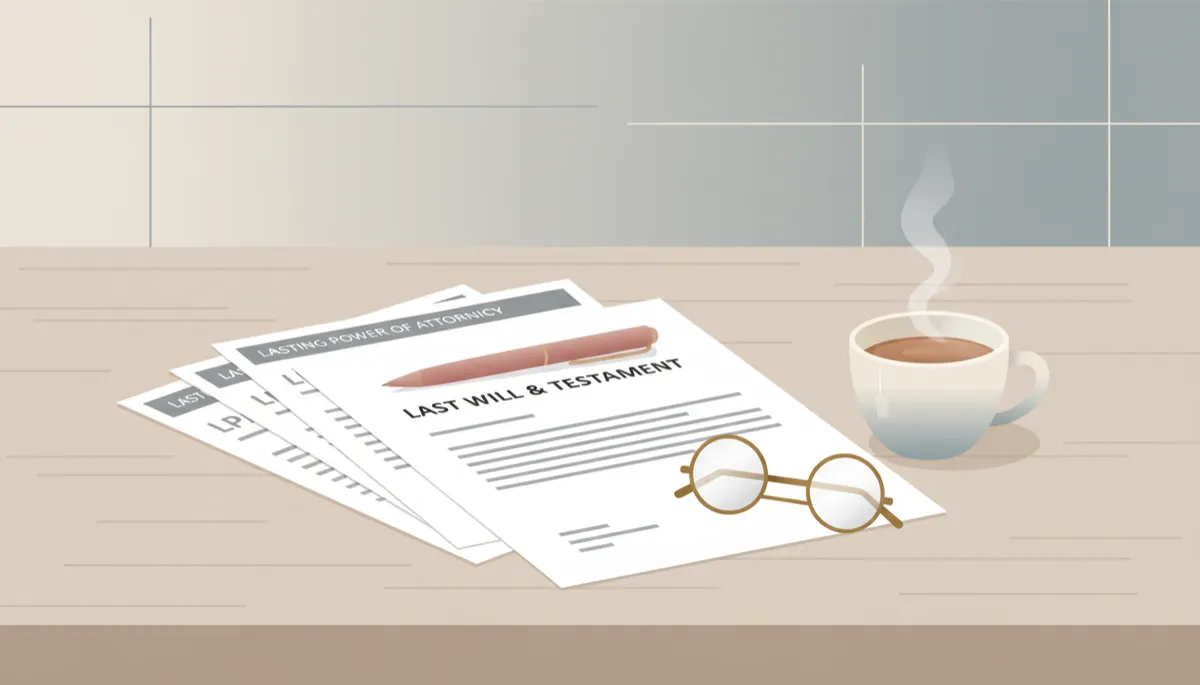
Clear paperwork and up-to-date nominations help families avoid delays and disputes.
6. Consider Using a Trust for Flexibility and Protection
A trust can be a powerful estate planning tool for UK families. Trusts allow you to separate the legal ownership of assets (held by trustees) from the benefit of those assets (enjoyed by beneficiaries). They can be used to provide for children over time, protect family wealth from potential future divorce settlements or creditors, or support a family member with additional needs without affecting means-tested benefits. Trusts may also assist with inheritance tax planning when used appropriately and with professional advice.
There are several types of trust, each with different rules and tax implications. Rather than trying to navigate these complexities alone, many families choose to discuss their objectives with a solicitor or financial planner who can recommend a suitable structure. Whatever you decide, ensure the trust deed is clearly drafted, trustees understand their responsibilities and your intentions are documented to guide their decisions in the future.
7. Review Pension Arrangements and Death Benefits
Your pension is often one of your most valuable assets, yet it is frequently overlooked in estate planning. Most modern UK pensions allow you to nominate who should receive any remaining funds on your death. These nominations are usually made via an expression of wish form held by your pension provider and are not automatically updated when your circumstances change. Reviewing them regularly is crucial to ensure they still reflect your wishes and are aligned with your Will and wider plans for your family.
Pension death benefits can be paid as a lump sum or as ongoing income, and in some cases may be relatively tax-efficient compared with other assets. Consider whether leaving pension funds to a spouse, partner, children or into a discretionary trust is most appropriate, taking into account ages, financial needs and tax implications. Professional advice can help you make informed decisions and coordinate your pension strategy with the rest of your estate planning.
8. Assess Life Insurance and Protection for Your Family
Life insurance plays a key role in providing financial security for your family if you die prematurely. The right level of cover can help clear a mortgage, replace lost income, fund children’s education or provide a safety net for a surviving partner. As part of your estate planning checklist, review any existing policies to confirm the level of cover, the term of the policy and who is named as the beneficiary. If your circumstances have changed, you may need to adjust your cover or take out additional protection.
It is often beneficial to have life insurance policies written in trust. Doing so can help ensure the payout is available quickly, outside of probate, and may keep the proceeds outside your estate for inheritance tax purposes. Check whether your current policies are already in trust; if not, speak to your adviser or provider about whether placing them in trust would be suitable for your situation and consistent with your wider goals for your beneficiaries.
9. Organise Your Paperwork and Digital Records
Even the most carefully designed estate plan can be undermined if your paperwork is disorganised or difficult to locate. Make a secure record of key documents, including your Will, LPAs, trust deeds, property deeds, pension and life insurance details, bank and investment accounts, and any important contracts. Store originals in a safe place and let your executors or close family know where they are kept and how to access them when needed.
Do not overlook digital assets. Increasingly, financial accounts, photographs, subscriptions and even loyalty points are held online. Compile a list of your main online accounts and consider how your executors or attorneys will access them in a way that remains secure and compliant with providers’ terms. Some people choose to use a secure password manager and leave instructions in a letter of wishes, separate from their Will, to guide their family through these practical steps.
10. Have an Open Conversation with Your Family
Technical documents are essential, but so is communication. An honest, age-appropriate conversation with your family about your estate planning decisions can reduce uncertainty and help avoid misunderstandings later. You do not need to share every financial detail, but explaining the broad outline—who your executors are, why you chose particular guardians, how you have structured support for different beneficiaries—can provide reassurance and clarity.
For some families, a joint meeting with a solicitor or financial planner can be helpful, allowing questions to be answered in a neutral, professional environment. Remember that estate planning is not a one-off task; it is an ongoing process that should evolve as your life changes. Revisit these conversations periodically, particularly after major milestones, so that your loved ones remain informed and your plans stay up to date.
Bringing Your Estate Planning Checklist Together
Effective estate planning weaves together many elements: a valid Will, carefully chosen guardians and executors, appropriate LPAs, thoughtful use of trusts, up-to-date pension and life insurance arrangements, clearly documented beneficiaries and well-organised paperwork. At the heart of it all is your commitment to protecting your family and making difficult times as manageable as possible for those you care about most.
Taking the time now to work through this checklist can give you confidence that your affairs are in order, your wishes are clear and your loved ones are supported. While many of these steps can be started on your own, obtaining professional legal and financial advice will help ensure your plan is robust, tax-efficient and tailored to your circumstances. Above all, view estate planning as an act of care—one that turns good intentions into practical arrangements for the future.